
Manufacturing combines powerful machinery, moving materials, chemicals, noise, and time-sensitive production. A safe operation depends on recognizing these risks before they cause injuries or illness. In the United States, the Occupational Safety and Health Administration (OSHA) sets and enforces workplace safety requirements. Its standards establish minimum protections, while employers remain responsible for identifying hazards and controlling them. A strong safety program therefore goes beyond checking whether a facility meets the rules of manufacturing safety.
OSHA’s role includes publishing regulations, offering compliance guidance, inspecting workplaces, and investigating certain incidents. The agency also provides educational resources that can help employers and workers understand their rights and duties. Depending on the state, a workplace may fall under federal OSHA or an OSHA-approved state plan.

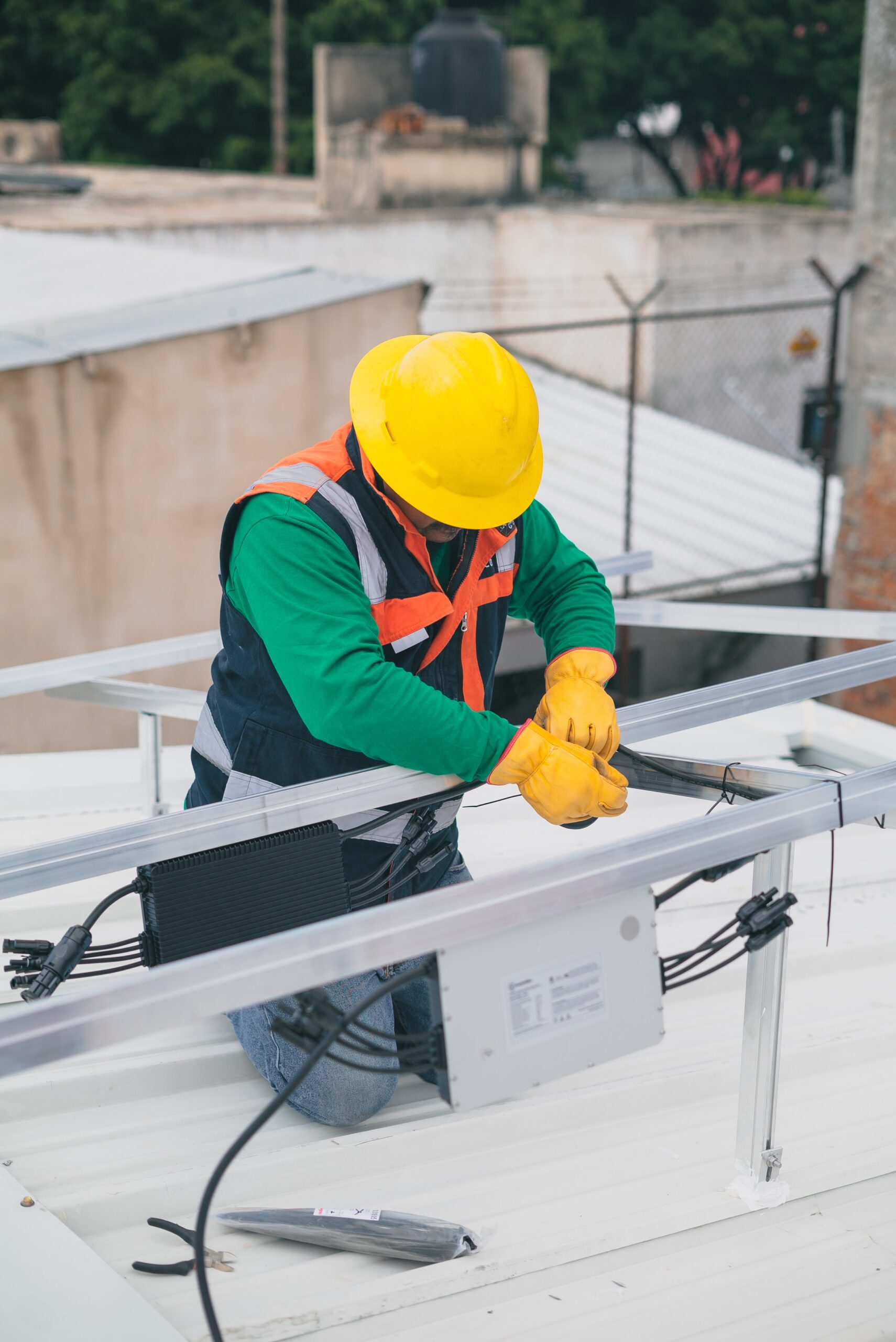
Compliance is not simply a paperwork exercise or a response to inspections. It is a practical way to prevent exposure to dangers that can harm employees, contractors, and visitors. Employers must provide a workplace free from recognized serious hazards and comply with applicable standards. Workers, in turn, should follow training, use safeguards correctly, and report unsafe conditions without delay.
Manufacturing facilities should follow some key OSHA guidelines. Several OSHA standards frequently apply to manufacturing, but the precise requirements depend on the work performed. General industry
rules address topics such as machine guarding, electrical safety, walking-working surfaces, and hazardous chemicals. Other standards cover lockout/tagout, personal protective equipment, respiratory protection, and control of occupational noise. A facility should identify relevant requirements by reviewing its equipment, processes, materials, and employee tasks. When a rule’s application is unclear, qualified safety professionals or legal advisers can help interpret it. Hazard communication is especially important wherever chemicals are used, stored, or produced.
Employers must maintain a written program, ensure containers are appropriately labeled, and make safety data sheets accessible. Employees also need information and training about chemical hazards, protective measures, and emergency procedures. They should also maintain required written programs and inspection records in a way that makes them easy to review.
Importance of Workplace Safety Culture
Rules and equipment matter, but a workplace’s everyday habits strongly influence whether safeguards are used consistently. A positive safety culture treats injury prevention as part of production quality rather than an obstacle to output.
Leaders demonstrate this value by following procedures, responding promptly to concerns, and avoiding pressure to take shortcuts. Employees are more likely to speak up when they trust that their observations will be heard and addressed fairly.
That trust develops through repeated, and visible actions. Meaningful worker participation improves hazard recognition because employees understand how tasks work in practice. Operators, maintenance technicians, and material handlers can identify awkward movements, recurring jams, and informal workarounds. Invite them to review procedures, test proposed controls, and contribute to safety committees or team discussions. Make reporting simple, offer more than one way to raise concerns, and communicate what happened after a report.
When employees see follow-through, participation becomes a normal part of the workday. Accountability should encourage safe choices without turning every incident into a search for someone to blame. The result is a culture where people can raise concerns early and help prevent harm together.
Common Manufacturing Hazards and How to Mitigate Them
Machines can expose workers to rotating shafts, pinch points, cutting tools, and unexpected movement. Fixed guards, interlocked barriers, presence-sensing devices, and other safeguards should be selected for the specific hazard. Employees must not remove or bypass protection to clear a jam or speed up a task. Before servicing, cleaning, or adjusting equipment, workers may need to isolate hazardous energy under a lockout/tagout procedure. Regular inspections help reveal missing guards, damaged controls, and changes that make existing protections ineffective. Material handling creates risks ranging from struck-by incidents to back strains and crushing injuries. Use suitable lifting aids, stable storage methods, and load limits for racks, carts, conveyors, and hoists. Train authorized operators and ensure equipment is inspected and maintained according to its requirements.
Workers should never stand beneath suspended loads or enter a vehicle’s path without an established safe system. Chemicals, dust, fumes, noise, heat, and repetitive tasks may cause harm that develops gradually.
Assess exposures and prioritize engineering controls, such as enclosure, local exhaust ventilation, or process substitution. Because hazards vary across departments, each control should be evaluated where the work actually occurs.

Safety Training and Education Programs
Effective training prepares people to recognize hazards and take appropriate action before an incident occurs. It should be matched to the employee’s duties, experience, language, and level of familiarity with the equipment.
New workers need orientation before beginning hazardous tasks, while experienced staff may need refreshers after changes or near misses. Training must also meet the specific requirements of applicable OSHA standards.
A general safety presentation cannot replace instruction required for specialized work. Hands-on demonstrations often make procedures easier to understand and remember. Employees can practice machine shutdowns, lockout/tagout steps, emergency communication, and safe material-handling techniques. Moreover, trainers should invite questions, verify comprehension, and give learners opportunities to demonstrate important skills. Additionally, visual aids, translated materials, and accessible formats can make instruction more inclusive across a diverse workforce. Documenting the date, subject, participants, and trainer supports accountability and helps identify refresher needs. Supervisors should reinforce learning on the floor by coaching employees and correcting unsafe conditions promptly.
When instruction is practical and ongoing, workers are better equipped to make sound decisions under pressure.
Essential Personal Protective Equipment (PPE) for Workers
Personal protective equipment is selected according to the hazards present, not simply by job title or habit. An assessment should identify what can injure or expose a worker and what equipment can reduce that risk. Depending on the task, PPE may include safety glasses, face shields, protective footwear, gloves, hearing protection, or hard hats. Respirators require a separate, carefully managed program when respiratory protection is necessary. The equipment must suit the hazard, the wearer, and the conditions in which it will be used. Employers should ensure that equipment fits properly and that workers understand its capabilities and limitations. Workers should know how to put on, adjust, inspect, clean, store, and replace each item. Damaged, contaminated, or poorly fitting equipment can create a false sense of security. Supervisors should observe whether employees can perform tasks safely while wearing the assigned equipment.
Conducting Effective Safety Audits and Inspections
Routine inspections offer a structured way to find problems before they result in injury or equipment damage. A useful checklist covers machine guards, emergency stops, electrical panels, aisles, storage, ventilation, and housekeeping. The inspection schedule should reflect the severity and likelihood of hazards, as well as regulatory requirements. Some conditions warrant daily checks, while broader program reviews may occur less frequently. The purpose is not to complete a form; it is to identify and resolve risk.

Include employees who understand the area and the work being inspected. They may notice recurring leaks, awkward access points, blocked exits, or controls that are difficult to use. Record each finding clearly, including its location, potential consequence, and any immediate protective action taken. Assign a responsible person and a due date for corrective work, then verify completion. High-risk problems should receive priority rather than waiting for the next general maintenance cycle.

A comprehensive audit examines how well the safety system operates, not just whether equipment appears orderly. Review training records, written programs, incident trends, maintenance logs, and worker participation. Compare documented procedures with actual practices to identify gaps between policy and daily behavior. Use findings to update controls and assign resources, then revisit the area to confirm that improvements remain effective. This cycle of observation, correction, and follow-up turns inspections into a practical prevention tool.
Emergency Preparedness and Response Plans
Even a well-managed facility needs plans for events that cannot always be prevented. Potential emergencies may include fires, chemical releases, severe weather, medical crises, power failures, or equipment entrapment. Plans should describe how to report an emergency, alert others, evacuate, shelter, or seek medical help. They must be suited to the facility’s layout, staffing patterns, processes, and likely hazards.
Employees need to know what actions apply to their work area and role. Clearly marked exits and unobstructed routes are essential for a prompt evacuation. Establish meeting points, accountability procedures, and assistance arrangements for people who may need help leaving. Identify who can safely shut down processes, and specify when employees should leave equipment untouched. Maintain appropriate alarms, communication systems, first-aid supplies, and emergency equipment. Workers should never be expected to perform specialized response duties without proper training and equipment. Practice helps expose weaknesses in plans before a real emergency occurs. Drills can test notification methods, evacuation timing, head counts, and coordination with response services.
After each exercise, gather feedback from participants and correct barriers such as unclear instructions or blocked pathways. Review the plan when processes change, new hazards appear, or contact information becomes outdated. A current, rehearsed response plan can reduce confusion and help protect people when seconds matter.
Best Practices for Reporting and Investigating Accidents
Prompt reporting helps a facility respond to injuries, illnesses, near misses, and hazardous conditions. Employees should know whom to contact and how to report events during every shift. A simple, accessible process encourages people to share information before details are forgotten.
Managers should make clear that workers can report concerns without retaliation. Near-miss reports deserve attention because they may reveal failures that could later cause serious harm. An investigation should seek to understand what happened and what conditions allowed it to happen.
Gather information promptly by speaking with involved workers and witnesses, reviewing equipment, and documenting the scene. Consider the task, training, maintenance history, workload, procedures, and environmental conditions. Avoid assumptions or questions framed to assign blame before the facts are understood. Protect privacy appropriately while preserving information needed for corrective action and required reporting. Corrective measures should address underlying causes rather than only the most visible mistake.
If a worker slips, for instance, the response may need to examine drainage, footwear, cleaning schedules, and walking routes. Choose controls that reduce risk reliably, assign responsibility, and set a reasonable completion date. Then communicate lessons learned to affected teams and check whether the solution works in practice. A consistent process transforms incident information into improvements that can prevent similar events elsewhere.
A safer manufacturing workplace is built through many connected decisions. OSHA requirements establish important protections, but lasting results depend on how those protections are put into practice.
Hazard assessment, reliable equipment safeguards, suitable PPE, and well-designed procedures each play a distinct role. Training and employee participation help ensure that controls remain useful during real production conditions.
No single checklist or intervention can replace a complete, attentive safety system. Leaders can strengthen prevention by making safety visible in planning, maintenance, purchasing, and daily supervision. The goal is a workplace where every person can complete their work with appropriate protection and confidence.
Frequently Asked Questions
Key safety tips at the workplace include recognizing machinery risks, complying with regulations, wearing proper personal protective equipment (PPE), following lockout/tagout procedures, and keeping walkways clear to prevent slips, trips, and falls.
While federal OSHA sets national standards, employers operating in the state must comply with OSHA California (Cal/OSHA) regulations, which often establish rigorous guidelines and state-specific mandates for hazard communication, injury prevention, and workplace inspections.
Industrial safety products—such as fixed machine guards, interlocked barriers, presence-sensing devices, ergonomic lifting aids, and fall protection gear—act as vital physical safeguards to shield workers from rotating shafts, pinch points, and heavy loads.
Comprehensive manufacturing safety training goes beyond basic presentations by incorporating hands-on demonstrations, equipment-specific instruction, visual aids, and regular refresher courses to ensure employees know how to respond safely under pressure.
Implementing good manufacturing practices (GMP) ties injury prevention directly to production quality, ensuring that operational habits, cleanliness, equipment maintenance, and standardized procedures are consistently maintained across every department.
Employers must maintain a written hazard communication program, ensure all containers are appropriately labeled, make safety data sheets (SDSs) accessible, and provide employees with proper information and training on chemical hazards, protective measures, and emergency procedures.
PPE must be selected based on a hazard assessment of what can injure the worker, rather than by job title alone. Employers must ensure the gear fits properly, is undamaged and clean, and that workers are thoroughly trained on how to inspect, put on, adjust, and maintain it.
The Power of Lean Manufacturing with 5S Skills
Lean manufacturing is a way of organizing work so that customers receive greater value with less wasted time, effort, and material. Within this approach, 5S offers a practical foundation creating workplaces where needed items are…
Read More
Transforming Manufacturing by Embracing Technology and Training
Manufacturing has always been the backbone of economic development, driving growth and creating jobs. Yet, the industry faces significant challenges today. Global competition, fluctuating market demands, and the constant pressure to reduce costs while improving…
Read More

How to Protect Data Privacy and Build a Career in Cybersecurity
In the digital age, data privacy has become the principal concern for individuals, businesses, and governments alike. The complete adoption of internet usage, coupled with the present rapid advancement of technology, has led to an…
Read More
Discover What It Takes to Become a CNC Machinist
In a world where precision and efficiency reign supreme, the role of the CNC machinist stands out as both vital and promising. For job seekers and career movers eager to enter the realm of skilled…
Read More