
Manufacturing has always been the backbone of economic development, driving growth and creating jobs. Yet, the industry faces significant challenges today. Global competition, fluctuating market demands, and the constant pressure to reduce costs while improving quality are daunting tasks for any manufacturing entity. Additionally, the industry face issues like supply chain disruptions, regulatory requirements, and a persistent skills gap, which can delay productivity and innovation.
Despite these challenges, the manufacturing sector has several opportunities. Technological advancements offer new opportunities for enhancing efficiency, reducing waste, and improving product quality. The rise of smart factories, powered by the Internet of Things and artificial intelligence, promises to revolutionize how manufacturers operate. This digital transformation can lead to more agile and responsive production processes, enabling manufacturers to quickly adapt to changing market conditions and customer needs. By embracing digital technology and investing in workforce training, manufacturers can overcome current challenges and seize these opportunities to thrive in a competitive landscape.
Digital Transformation in Manufacturing
Digital transformation in manufacturing involves integrating advanced technologies into all aspects of the production process. This transformation goes beyond merely automating tasks; it plays at important role on how businesses operate, make decisions, and interact with their customers and suppliers. At its core, digital transformation aims to create a more connected, efficient, and agile manufacturing environment.

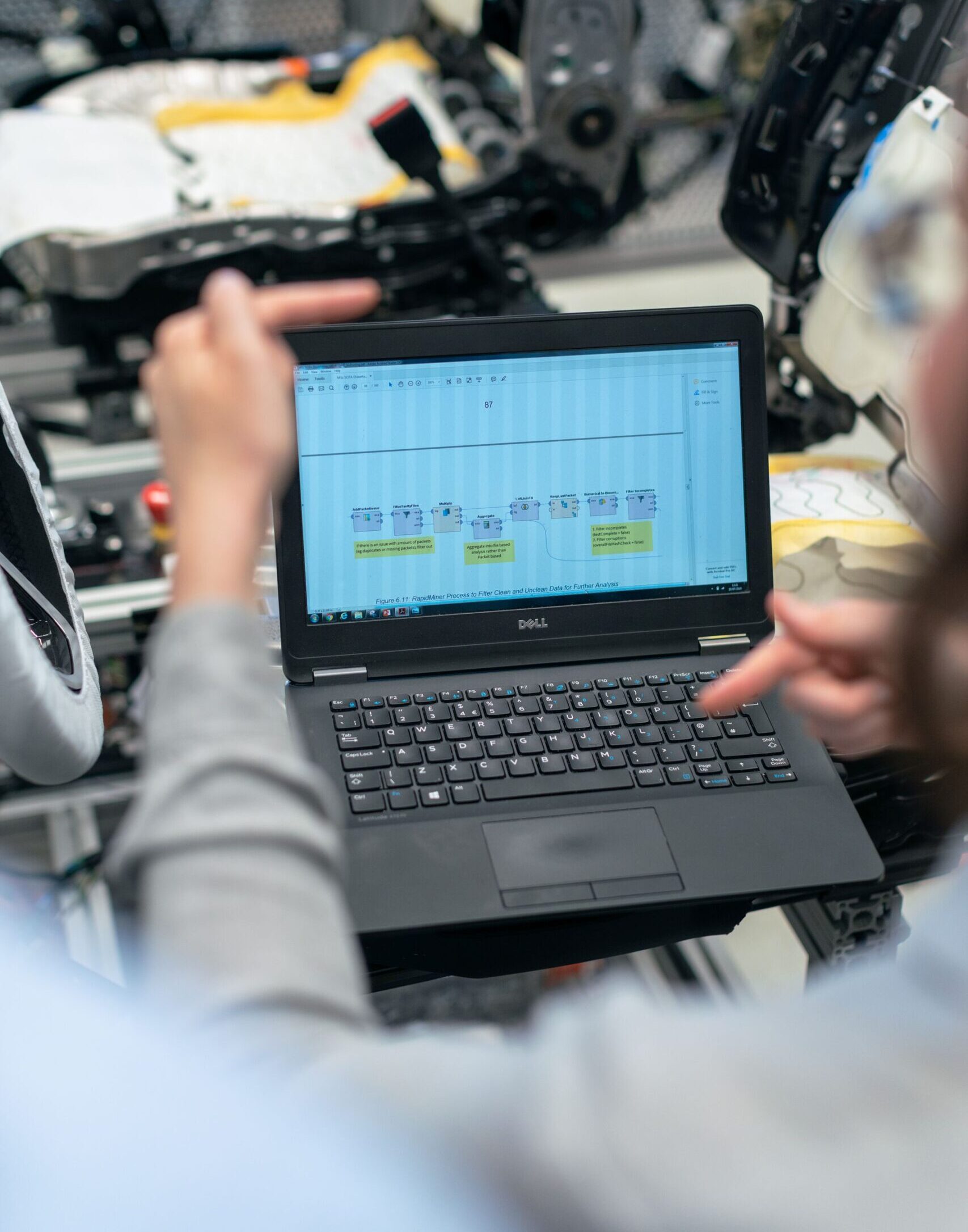
The journey towards digital transformation begins with a comprehensive assessment of current operations and identifying areas where technology can make a significant impact. For instance, manufacturers can leverage IoT for real-time monitoring of equipment and processes, enabling predictive maintenance and reducing downtime. Similarly, AI and machine learning can optimize production schedules, enhance quality control, and streamline supply chain management.
Several key technologies are currently revolutionizing the manufacturing sector. One of the most significant is the Internet of Things (IoT), which connects machines, systems, and devices, enabling them to communicate and share data. This connectivity allows for real-time monitoring and control of production processes, leading to improved efficiency and reduced downtime. IoT also facilitates predictive maintenance, where sensors detect potential issues before they escalate, minimizing disruptions and extending the lifespan of equipment.
Artificial intelligence (AI) and machine learning are also transforming manufacturing. These technologies enable advanced data analytics, allowing manufacturers to gain insights into production processes, identify inefficiencies, and make data-driven decisions. AI-powered robots and automation systems can perform complex tasks with precision and consistency, enhancing productivity and quality. Additionally, AI algorithms can optimize supply chain management, ensuring timely delivery of raw materials and reducing inventory costs.
Moreover, data analytics plays a crucial role in enhancing manufacturing efficiency. The vast amount of data generated by modern manufacturing processes contains valuable insights that can drive improvements across the production lifecycle. By analyzing this data, manufacturers can identify patterns, trends, and anomalies that may impact productivity, quality, and cost. One of the primary applications of data analytics in manufacturing is predictive maintenance. By continuously monitoring equipment performance and analyzing historical data, manufacturers can predict when a machine is likely to fail and perform maintenance effectively. This approach minimizes unplanned downtime, reduces maintenance costs, and extends the lifespan of machinery.
However, digital transformation is not just about technology; it also involves a cultural shift within the organization. Employees need to embrace new ways of working and be willing to learn and adapt to new tools and processes. Effective change management strategies and continuous training programs are essential to ensure a smooth transition and to maximize the benefits of digital transformation.
The Importance of Workforce Training in a Digital Era
As the manufacturing industry undergoes digital transformation, workforce training becomes increasingly important. Advanced technologies such as IoT, AI, and automation require a new set of skills and competencies. To fully leverage the benefits of these technologies, manufacturers must invest in continuous training and development programs for their employees.
One of the key aspects of workforce training is upskilling and reskilling. Upskilling involves enhancing existing skills to adapt to new technologies and processes, while reskilling focuses on acquiring entirely new skills to take on different roles. For example, employees may need training on how to operate and maintain automated systems, analyze data, or program AI algorithms. By providing ongoing training opportunities, manufacturers can ensure that their workforce remains competent and capable of handling the demands of a digital manufacturing environment.
Moreover, workforce training is essential for fostering a culture of innovation and continuous improvement. When employees are equipped with the knowledge and skills to use advanced technologies, they can contribute to process optimization and innovation initiatives. Training programs can also help employees understand the strategic goals of digital transformation and their role in achieving them. This alignment between individual and organizational objectives can drive engagement, motivation, and a sense of ownership among employees.
In addition to technical skills, soft skills such as problem-solving, critical thinking, and adaptability are also crucial in a digital era. As technology continues to evolve, employees need to be agile and open to change. Training programs should focus on developing these skills to enable employees to thrive in a dynamic and rapidly changing manufacturing landscape. By prioritizing workforce training, manufacturers can build a skilled and adaptable workforce that is ready to embrace the future of manufacturing.

Best Practices for Integrating Digital Tech in Manufacturing
Successfully integrating digital technology into manufacturing requires a strategic approach. One of the first steps is to develop a clear digital transformation roadmap. This involves setting specific goals, identifying key performance indicators (KPIs), and outlining the steps and milestones needed to achieve these objectives. A well-defined roadmap provides a clear direction and ensures that all stakeholders are aligned and working towards the same goals.
Collaboration and communication are also essential for successful integration. Digital transformation affects various aspects of the organization, from production and supply chain management to sales and customer service. It is crucial to involve representatives from different departments in the planning and implementation process to ensure that their needs and perspectives are considered. Regular communication and updates help keep everyone informed and engaged, reducing resistance to change and fostering a sense of ownership. Investing in the right technology infrastructure and select the right cybersecurity technology is another critical best practice. It is important to ensure that the technology is scalable, can grow with the organization, and that it aligns with the organization's goals and are compatible with existing systems.

Continuous monitoring and evaluation are essential for ensuring the success of digital transformation initiatives. Manufacturers should regularly assess the performance of new technologies and processes against the established KPIs. This allows them to identify areas for improvement and make data-driven decisions.
Benefits and Considerations of Implementing Automation
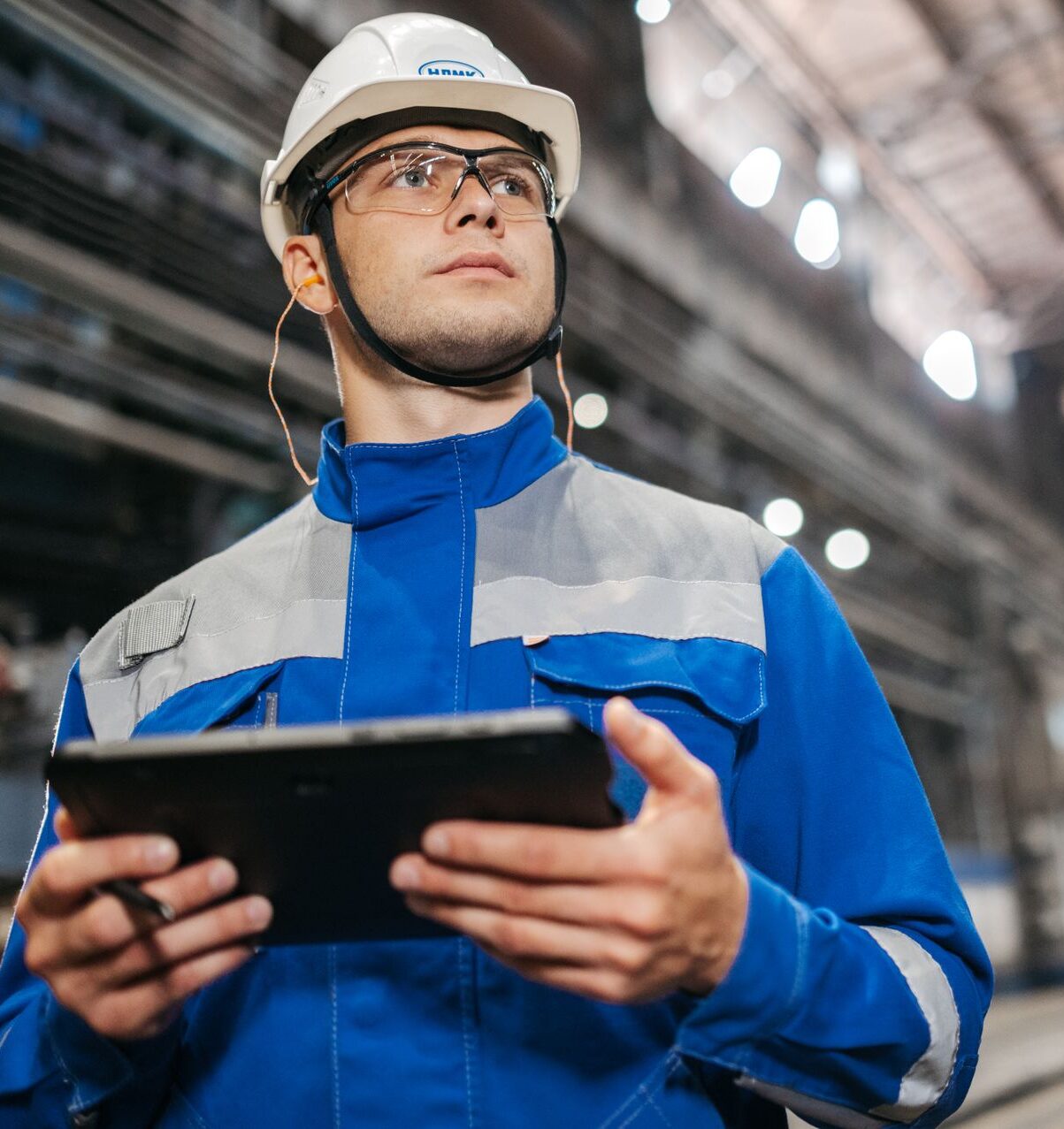
Automation is a key component of digital transformation in manufacturing. It involves the use of technology to perform tasks that were previously done manually, resulting in increased efficiency, precision, and consistency. The benefits of automation are numerous, but it is essential to consider various factors before implementation.
One of the primary benefits of automation is improved productivity. Automated systems can operate 24/7 without the need for breaks, significantly increasing output. Additionally, automation reduces the likelihood of human error, ensuring that tasks are performed accurately and consistently, leading to higher quality products and fewer defects. Automation also enhances safety by taking over dangerous or repetitive tasks, reducing the risk of workplace injuries.
However, implementing automation requires careful planning and consideration. First, manufacturers need to conduct a thorough assessment of their current processes to identify areas where automation can have the most significant impact. It is also essential to consider the cost of automation, including the initial investment in equipment and technology, as well as ongoing maintenance and training expenses. Additionally, manufacturers must address potential workforce implications, such as job displacement and the need for reskilling. Effective communication and change management strategies are crucial to ensure a smooth transition into employees day-to-day work tasks. By evaluating the potential impact and addressing associated challenges, manufacturers can maximize the benefits of automation and create a more efficient and competitive manufacturing environment.
The manufacturing industry is at a critical moment, with digital technology and workforce training playing crucial roles in shaping its future. Embracing digital transformation is no longer an option but a necessity for manufacturers looking to stay competitive in an increasingly global and fast-paced market. The integration of advanced technologies such as IoT, AI, and automation offers unprecedented opportunities to enhance efficiency, reduce costs, and improve product quality.
The journey towards digital transformation requires careful planning and execution. Manufacturers must develop a clear roadmap, invest in the right technology infrastructure, and foster a culture of innovation and continuous improvement. Collaboration and communication are essential to ensure that all stakeholders are aligned and engaged in the process. Additionally, manufacturers must prioritize workforce training to equip their employees with the skills and competencies needed to thrive in a digital manufacturing environment.
The path forward for manufacturers lies in embracing digital technology and investing in workforce training. By doing so, they can overcome current challenges, seize new opportunities, and drive innovation and competitiveness in the industry. The future of manufacturing is bright, and those who are willing to embrace change and invest in their people and technology will be well-positioned to succeed.
Frequently Asked Questions
Digital transformation in manufacturing goes beyond basic automation; it fundamentally reshapes how a business operates, makes decisions, and connects with suppliers and customers. By integrating advanced tools into every stage of the production process, manufacturers create agile, connected environments capable of rapidly adapting to fluctuating global market demands, reducing waste, and improving overall product quality.
Optimization in production relies heavily on continuous data analytics. Modern manufacturing equipment generates vast amounts of operational data. By continuously analyzing these insights, plant managers can identify bottlenecks, streamline production schedules, and implement predictive maintenance. This data-driven approach minimizes unplanned downtime, slashes maintenance overhead, and extends machinery lifespans.
Integrating advanced technology and manufacturing systems gives companies end-to-end visibility across their entire supply network. Artificial intelligence algorithms analyze market trends, demand fluctuations, and supplier performance to optimize inventory levels and ensure the timely delivery of raw materials. This data-driven visibility helps manufacturers proactively navigate supply chain disruptions rather than reacting to them after the fact.
The most impactful manufacturing technology examples for eliminating unexpected machinery failures involve the Internet of Things (IoT) and predictive data analytics. By attaching smart sensors to critical production machinery, operators can continuously monitor equipment health, temperature, and vibration in real time. Algorithms analyze historical performance to predict failures before they happen, allowing teams to schedule maintenance during planned windows and avoid costly line stoppages.
As automation and artificial intelligence take over routine manual tasks, human roles are shifting toward oversight, problem-solving, and strategic decision-making. Therefore, successful training in manufacturing must blend hard technical proficiencies—such as data analysis and automated system maintenance—with vital soft skills like critical thinking, adaptability, and cross-functional communication. This holistic skill set ensures employees can thrive as manufacturing environments continue to evolve.
Implementing new software and automated hardware requires more than just technical deployment—it demands a cultural shift. Effective training in manufacturing must incorporate robust change management strategies to help employees embrace new ways of working. Engaging workers early, explaining the strategic vision behind digital upgrades, and encouraging open communication significantly reduces resistance to change and fosters a strong sense of ownership among the workforce.
Integrating advanced technology and manufacturing systems gives companies end-to-end visibility across their entire supply network. Artificial intelligence algorithms analyze market trends, demand fluctuations, and supplier performance to optimize inventory levels and ensure the timely delivery of raw materials. This data-driven visibility helps manufacturers proactively navigate supply chain disruptions rather than reacting to them after the fact.
Advanced technologies require entirely new competencies. Effective training in manufacturing focuses on two core pillars:
- Upskilling and Reskilling: Teaching employees how to operate automated machinery, analyze complex operational data, or program smart systems.
- Soft Skills and Adaptability: Developing critical thinking, problem-solving, and change management skills so workers can thrive in a dynamic, tech-driven environment. Continuous learning fosters a culture of innovation and employee engagement.


How to Protect Data Privacy and Build a Career in Cybersecurity
In the digital age, data privacy has become the principal concern for individuals, businesses, and governments alike. The complete adoption of internet usage, coupled with the present rapid advancement of technology, has led to an…
Read More
Discover What It Takes to Become a CNC Machinist
In a world where precision and efficiency reign supreme, the role of the CNC machinist stands out as both vital and promising. For job seekers and career movers eager to enter the realm of skilled…
Read More
How Do You Get a Welding Certification in Colorado?
Colorado can be a tempting destination for any up and coming professionals for a number of reasons. Communities are booming, and the growing economy is demanding skilled labor for both construction and industrial activities. It…
Read More
Your Guide to Warehouse and Logistics Jobs
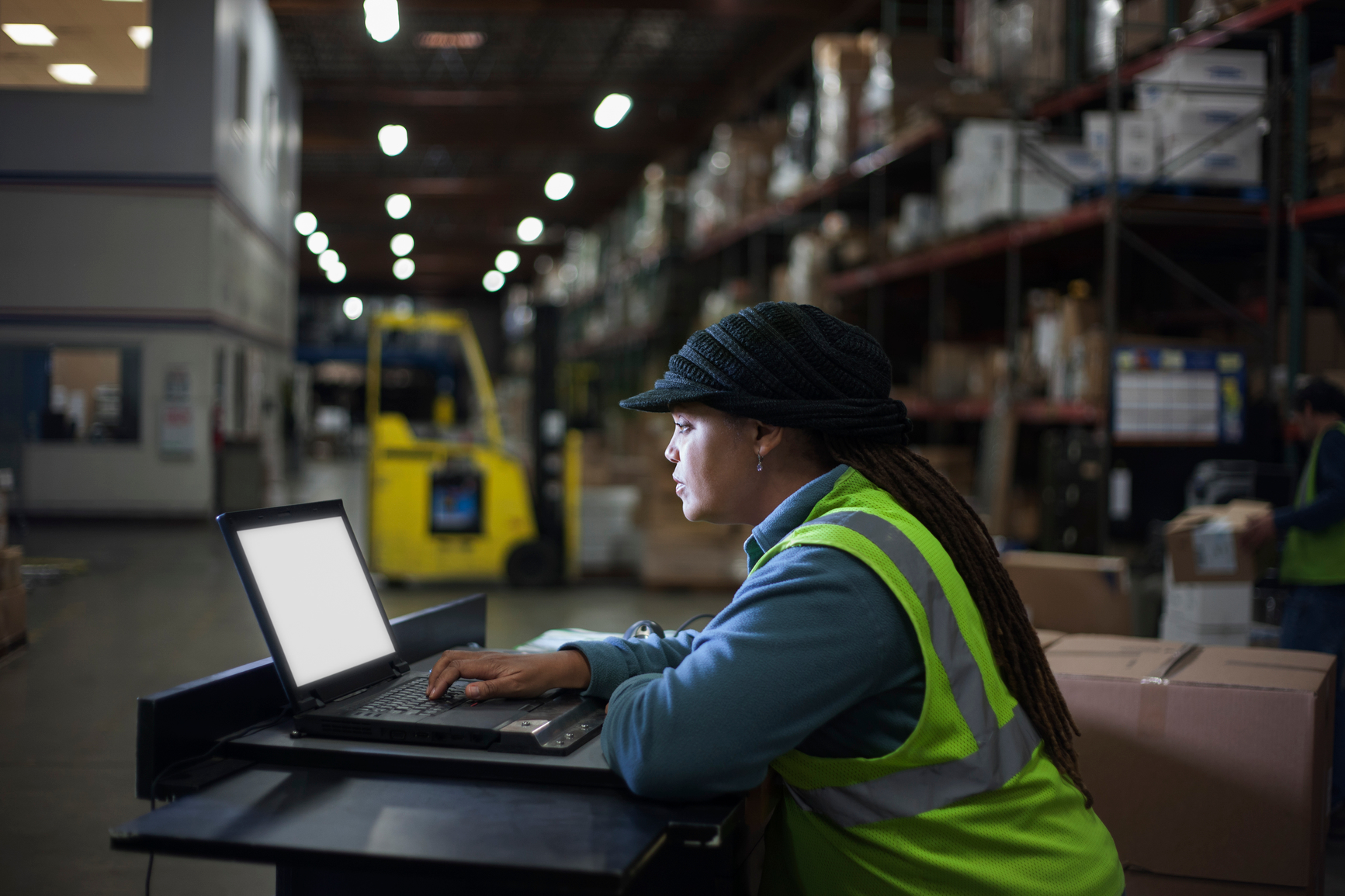
The global supply chain depends on millions of workers who ensure products move efficiently from manufacturers to consumers. Whether you’re considering a career change or entering the job market for the first time, warehouse and…
Read More