
So you have started on the career hunt or you are looking into transitioning your field of focus, what should you commit to? Well, several industries stand out for offering some of the highest salaries in the job market. The technology sector is a prime example. With the ongoing digital transformation and AI renaissance, roles such as software developers, cybersecurity experts, cloud computing specialists, and AI managers and engineers are in high demand. These positions not only offer attractive salaries but also provide opportunities for rapid career advancement.
Healthcare is another industry known for its high-paying jobs. Medical professionals, including surgeons, anesthesiologists, and specialized physicians, often command six-figure salaries. The aging population and the increasing prevalence of chronic diseases are driving the demand for healthcare services, ensuring that this trend is likely to continue in the coming years.
Finance and business sectors also offer lucrative career opportunities. Investment bankers, financial analysts, corporate executives, and certain sales roles are among the highest-paid professionals in these fields, and further in all fields in specific cases as you will see. The complexity of financial markets and the need for strategic business management make these roles highly valued. Additionally, the rise of fintech has created new high-paying roles, blending technology and finance expertise.
In-Demand Skills for High-Paying Jobs
To secure a high-paying job, possessing in-demand skills is crucial. In the technology sector, proficiency in programming languages such as Python, Java, and C++ is highly sought after. Additionally, skills in AI engineering and cloud computing platforms like AWS and Azure are valuable, as more companies migrate their operations to the cloud. Knowledge of cybersecurity protocols and tools is also much sought after, given the increasing threats to digital security.
In the healthcare industry, specialized medical skills are in high demand. This includes expertise in surgical procedures, diagnostic techniques, and patient care. Additionally, soft skills such as empathy, communication, and teamwork are crucial for healthcare professionals to provide high-quality care and improve patient outcomes.
For finance and business professionals, skills in financial analysis, strategic planning, networking and communication, and risk management are essential. Proficiency in using financial software and tools, such as Excel and SAP, is also important. Furthermore, strong leadership and interpersonal skills are vital for those aiming for executive and sales positions, as they need to manage teams and drive organizational success.

Factors Influencing Salary Trends
The job market is in a constant state of flux, influenced by a myriad of factors that shape salary trends. One of the most significant factors is the current stint of technological advancement. As new technologies emerge, they create demand for specialized skills that are often in short supply as they were previously non-existent. This, in turn, drives up the salaries for professionals who possess these skills due to simple supply and demand. For example, the rise of artificial intelligence (AI) and machine learning (ML) has led to a surge in demand for data scientists and AI specialists, roles that command high salaries due to their very specialized nature.
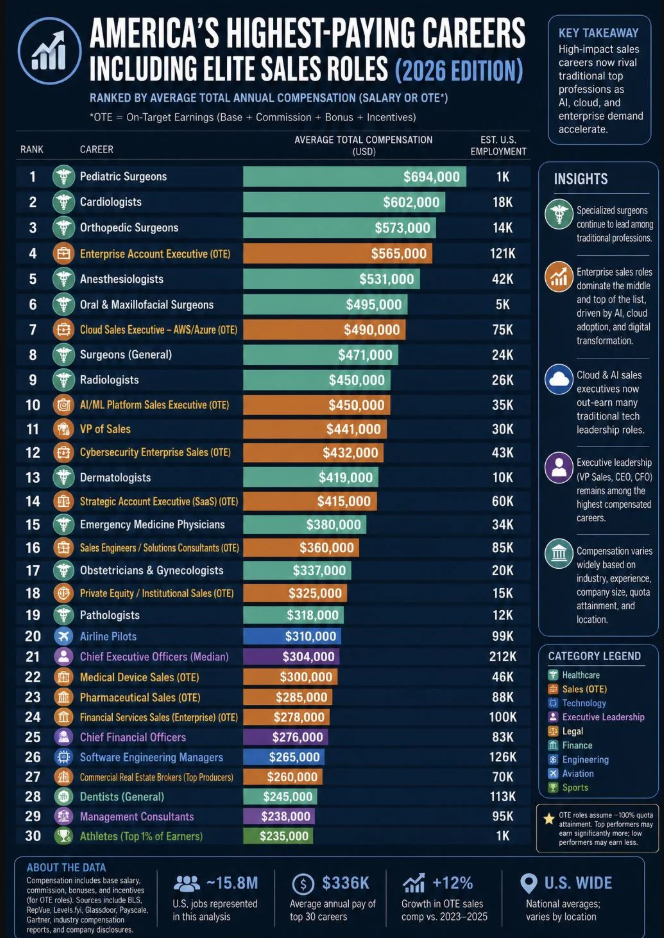
Another critical factor is globalization. As companies expand their operations across borders, they seek professionals who can navigate the complexities of international markets. This has increased the demand for roles such as international business managers and global supply chain experts. Additionally, technology has also changed the landscape of the professional sector, as new AI tools need highly knowledgeable sales people to actually get clients to sign on for these new tools. These positions often come with lucrative compensation packages due to the complexity and scope of the work involved and can even come with extra financial incentives based on performance.
Economic factors also play a crucial role in shaping salary trends. During periods of economic growth, companies are more likely to invest in talent, leading to higher salaries across various sectors. Conversely, during economic downturns, salary growth may stagnate or even decline. However, certain industries, such as healthcare and technology, often remain resilient even in challenging economic conditions, continuing to offer high-paying job opportunities.
Highest Paying Jobs in Healthcare
The healthcare industry is known for offering some of the highest paying jobs, reflecting the specialized skills and extensive training required for these roles. Surgeons top the list, particularly pediatric surgeons, with their expertise in performing highly complex surgical procedures. Their ability to diagnose and treat various medical conditions through surgery commands substantial salaries across the board.
Anesthesiologists and cardiologists are another group of high earners in healthcare. The first plays a crucial role in surgical procedures by administering anesthesia and monitoring patients' vital signs during surgery, while the latter is responsible for treating one of our most vital organs. Their specialized knowledge in pain management, patient care, and crucially accurate diagnosis contributes to their high compensation.
Specialized physicians, such as neurologists, oncologists, and orthopedics also command high salaries. These medical professionals diagnose and treat specific medical conditions, often requiring advanced training and expertise. Their ability to provide specialized care and improve patient outcomes makes them highly valued in the healthcare industry.

Highest Paying Jobs in Technology
The technology sector is home to some of the highest paying jobs, driven by the rapid pace of innovation and the critical role technology plays in modern businesses. One of the top-paying roles is that of a data scientist. Data scientists analyze large sets of data to derive actionable insights, helping companies make informed decisions. Their expertise in statistical analysis, machine learning, and data visualization commands high salaries.
Another lucrative career in technology is that of a software architect. Software architects design high-level software solutions and ensure that they meet the technical and business requirements of the organization. Their deep understanding of software development, coupled with their ability to create scalable and efficient systems, makes them highly valuable. This also brings up the AI architect and AI engineer roles, who's duties are somewhat similar but pertaining to LLMs and AI powered products rather than the previously understood types of software.

Cybersecurity experts are also among the top earners in the technology sector. With the increasing frequency of cyberattacks, organizations are willing to pay a premium for professionals who can protect their digital assets. Cybersecurity experts develop and implement security measures, conduct vulnerability assessments, and respond to security incidents, making their role critical in safeguarding proprietary company data.

As we look to the future, several emerging careers and job markets are poised to offer high-paying opportunities. The field of artificial intelligence and machine learning continues to grow, offering high-paying career opportunities. AI and ML specialists develop algorithms, create predictive models, and implement AI solutions across various industries. Their ability to drive innovation and improve business processes makes them highly sought after in the job market.
Another emerging field is biotechnology. Advances in genetic engineering, personalized medicine, and biopharmaceuticals are creating new career opportunities. Professionals in this field, including geneticists, biotechnologists, and biomedical engineers, are in high demand and command attractive salaries due to the specialized nature of their work.
Education and Training Requirements
Securing a high-paying job often requires a combination of education and specialized training. In the technology sector, a bachelor's degree in computer science, information technology, or a related field is typically a requirement, though some tech jobs are more flexible, accepting job experience and training over traditional schooling. However, many high-paying roles, such as data scientists and software architects, may require advanced degrees or certifications in specific technologies to qualify for more niche roles at the upper end of the income spectrum.
Healthcare professionals, particularly those in high-paying roles such as surgeons and anesthesiologists, require extensive education and training with far less flexibility. This typically includes a bachelor's degree, followed by medical school, residency, and specialized training in their chosen field. Continuous education and certification are also essential to stay updated with the latest medical advancements.
In the finance and business sectors, a bachelor's degree in finance, business administration, or economics is often required. Advanced degrees, such as an MBA, can significantly enhance career prospects and earning potential as well. Additionally, certifications such as Chartered Financial Analyst (CFA) or Certified Public Accountant (CPA) are highly valued in the job market and can lead to higher salaries.
Choosing the Right Career Path
Choosing the right career path is a critical decision that can significantly impact your financial future and overall job satisfaction. While high-paying jobs offer financial security and opportunities for growth, it's still important to consider your interests, skills, and long-term goals. Pursuing a career that aligns with your passions and strengths is more likely to lead to long-term success and fulfillment in addition to being financially lucrative.
The job market is constantly evolving, and staying informed about industry trends and emerging opportunities is crucial. Investing in education and continuous learning can help you stay competitive and open doors to high-paying job opportunities. Additionally, developing a strong network and seeking mentorship can provide valuable insights and guidance in navigating your career path.
Ultimately, the highest paying jobs and careers in 2026 will be those that combine specialized in-demand skills, a strong educational foundation, and a forward-thinking approach. By understanding the factors influencing salary trends, identifying in-demand skills, and staying adaptable to emerging job markets, you can position yourself for a successful and financially rewarding career far into the future.

How to Protect Data Privacy and Build a Career in Cybersecurity
In the digital age, data privacy has become the principal concern for individuals, businesses, and governments alike. The complete adoption of internet usage, coupled with the present rapid advancement of technology, has led to an…
Read More

Discover What It Takes to Become a CNC Machinist
In a world where precision and efficiency reign supreme, the role of the CNC machinist stands out as both vital and promising. For job seekers and career movers eager to enter the realm of skilled…
Read More

How Do You Get a Welding Certification in Colorado?
Colorado can be a tempting destination for any up and coming professionals for a number of reasons. Communities are booming, and the growing economy is demanding skilled labor for both construction and industrial activities. It…
Read More

Your Guide to Warehouse and Logistics Jobs
The global supply chain depends on millions of workers who ensure products move efficiently from manufacturers to consumers. Whether you’re considering a career change or entering the job market for the first time, warehouse and…
Read More