
If you manage a manufacturing facility or own a business in the industry, you likely understand the struggle of finding the right people. Locating the best skilled labor for your specific needs is a significant challenge. These skill sets are in high demand across sectors, and pinpointing the exact fit for your sector can feel like searching for a needle in a haystack. The manufacturing landscape is evolving, and with it, the strategies for hiring skilled trades talent must change as well. From the intricacies of talent sourcing to the rigorous demands of screening and the occasionally highly niche job requirements, the hurdles are real. However, they are not insurmountable. Let's explore the major challenges facing the industry today and actionable strategies to overcome them, ensuring you find the best manufacturing talent for your team.
The Skill Gap Problem
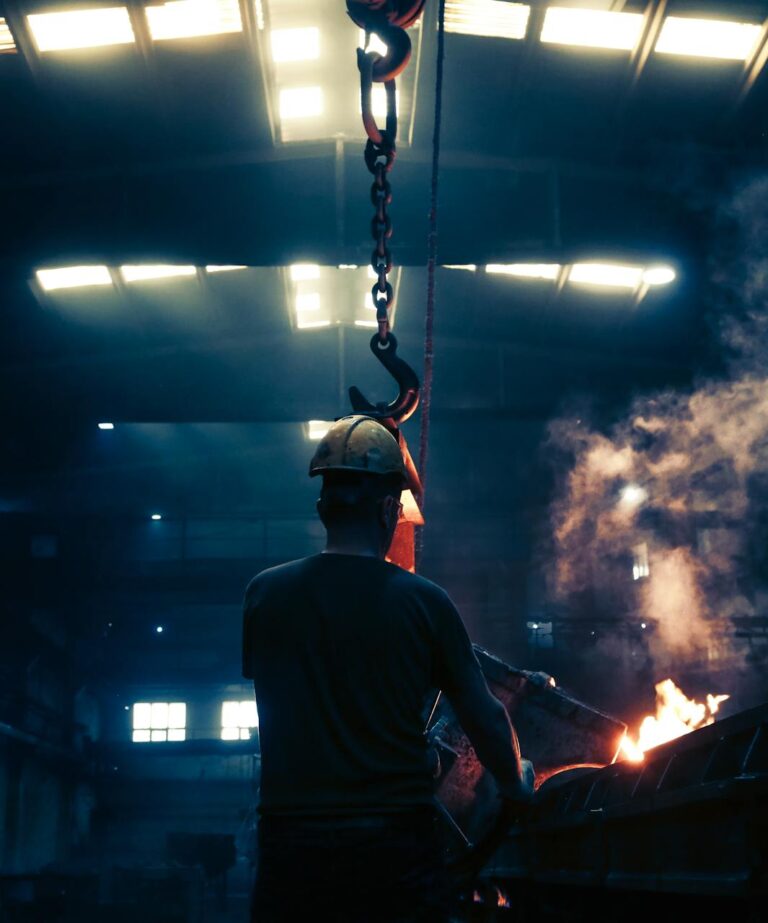
One of the most pressing issues in filling manufacturing jobs today is the widening skill gap across different roles. As older generations retire, they take decades of specialized knowledge with them. Meanwhile, fewer younger workers are entering the trades, creating a shortage of qualified candidates. On top of this hiring skilled trades talent can get muddied when you are looking for a candidate to work on new technology, or in an environment they may not be used to, such as clean or cold rooms.

This gap means that simply posting a job ad is rarely enough. You are competing for a limited pool of candidates who often have their pick of employers in the current job market. To stand out, you need to understand not just exactly what you need, but what these candidates are looking for as well.
Identifying Niche Job Requirements
Manufacturing is not a monolith. The skills required for a CNC machinist in an aerospace facility differ vastly from those needed by a welder in structural steel construction. One of the first steps in successful hiring is clearly defining the niche requirements that apply to your business.
Generic job descriptions often attract generic applicants. To find specialized skilled trades talent, you must be specific.
- Detail the machinery: Mention specific brands and models of equipment or exact software programs that you use in your facilities.
- Specify certifications: Be clear about mandatory licenses and requirements versus the "nice-to-haves."
- Describe the environment: Be clear and concise. Is it a clean room? A high-volume production line? A custom fabrication shop? Make sure applicants know what they are getting into so they can self-identify if they fit the role before submitting their application.
By painting a clear picture of the role, you attract candidates who are confident in those specific environments and filter out those who aren't a match before the interview process even begins.
Strategies for Sourcing Top Talent
Long gone are the days when a "Help Wanted" sign in the window was sufficient. To find the best skilled trades talent, you need a multi-faceted approach to sourcing.
Leverage Digital Platforms and Social Media
While job boards are a standard tool, niche platforms dedicated to skilled trades jobs can yield better results than general sites. The most specialized and knowledgeable professionals typically flock to these more niche spaces. Additionally, social media is an underutilized resource by many, even today.
- Showcase your shop floor: Use video content to show potential hires what their daily life would look like. A clean, well-organized, and modern facility is a huge selling point for some.
- Employee testimonials: Let your current team do the talking. Authentic stories from happy employees are powerful recruitment tools. Perhaps highlight some of your more veteran talent to show that you value those that put in the work over the long term.

Build Relationships with Trade Schools
Partnering with local technical colleges and trade schools is a long-term strategy that pays dividends. By offering internships, apprenticeships, or even just guest lecturing, you get early access to up-and-coming manufacturing talent before they have officially entered the job market. This not only helps you fill entry-level roles but allows you to train these new workers in your specific processes and culture from day one.
Mastering the Screening Process
Once you have a pool of applicants, the next challenge is screening. Resumes can tell you about certifications and work history, but they rarely tell the whole story about aptitude or work ethic.
Practical Skills Assessments
Paper qualifications are essential, but practical application is king. Whenever possible, incorporate a hands-on component into your interview process. Whether this is some sort of aptitude test or a technical question that applies to your specific processes, this is a great way to get a real time idea of applicants' skills.
- Blueprint reading: Can they interpret a drawing relevant to your shop?
- Weld testing: For welders, a standard coupon test is generally a non-negotiable to guarantee applicants meet standards.
- Troubleshooting scenarios: For maintenance roles, present a theoretical problem and ask them to walk you through their diagnostic process.
These types of assessments give you concrete evidence of a candidate's abilities and help ensure that the person you hire can actually do the job.
Assessing Soft Skills and Cultural Fit
Skilled trades jobs require technical proficiency but reliability, communication, and teamwork are equally important. A brilliant machinist who disrupts the shop floor culture can sometimes cost you more in lost productivity than a vacant position would.

During the interview, ask behavioral questions to gauge how they handle pressure, safety protocols, and teamwork.
- "Tell me about a time you made a mistake on a part. How did you handle it?"
- "How would you respond if a co-worker asked you to help pick up the slack for them if they were falling behind on goals?"
- "How do you approach a safety violation if you see a coworker causing an unsafe situation?"
These questions reveal the work ethic, integrity, and safety consciousness of candidates—traits that are non-negotiable and invaluable in manufacturing settings.
Retention: The Key to Long-Term Success
Finding talent is only half the battle; keeping them is the other. High turnover is costly and disruptive. To retain skilled trades talent, you must offer more than just a paycheck.
Competitive Compensation and Benefits
It goes without saying that wages must be competitive. Research the local market rates for specific skilled trades roles and ensure your offer is attractive against others in your sector. However, benefits often tip the scales. Health insurance, retirement plans, and paid time off are standard expectations but providing more than the standard can give you a big edge over the competition.
Career Development and Training
Top performers want to grow, offering pathways for advancement shows that you will invest in their future as much as your business's.
- Upskilling opportunities: Will you pay for them to get a new certification or take a course to better their skills?
- Cross-training: Can they learn to operate different machines and expand their expertise?
- Leadership paths: Is there a route to becoming a supervisor, foreman, or lead hand?
When employees see a future at your company, they are less likely to look elsewhere.
Navigating the Future of Manufacturing Hiring
The landscape for manufacturing talent is changing with advances in technology. Automation and robotics are becoming more prevalent, requiring a hybrid skillset that combines traditional trade knowledge with tech-savviness.
To stay ahead, keep your finger on the pulse of industry trends. Be willing to train for the future, not just hire for the present. Sometimes, the best candidate is someone with strong foundational skills and the right attitude, who you can then train on your specific advanced systems.
Filling skilled trades roles is undeniably tough, but by refining your approach to sourcing, screening, and retention, you can build a workforce that drives your business forward. It requires patience, strategy, and a willingness to invest in your people. The result—a reliable, skilled, and dedicated team—is well worth the effort.
If you still need helps with your manufacturing roles, SkillsetGroup is here to help.


How to Protect Data Privacy and Build a Career in Cybersecurity
In the digital age, data privacy has become the principal concern for individuals, businesses, and governments alike. The complete adoption of internet usage, coupled with the present rapid advancement of technology, has led to an…
Read More
Discover What It Takes to Become a CNC Machinist
In a world where precision and efficiency reign supreme, the role of the CNC machinist stands out as both vital and promising. For job seekers and career movers eager to enter the realm of skilled…
Read More
How Do You Get a Welding Certification in Colorado?
Colorado can be a tempting destination for any up and coming professionals for a number of reasons. Communities are booming, and the growing economy is demanding skilled labor for both construction and industrial activities. It…
Read More

Your Guide to Warehouse and Logistics Jobs
The global supply chain depends on millions of workers who ensure products move efficiently from manufacturers to consumers. Whether you’re considering a career change or entering the job market for the first time, warehouse and…
Read More