
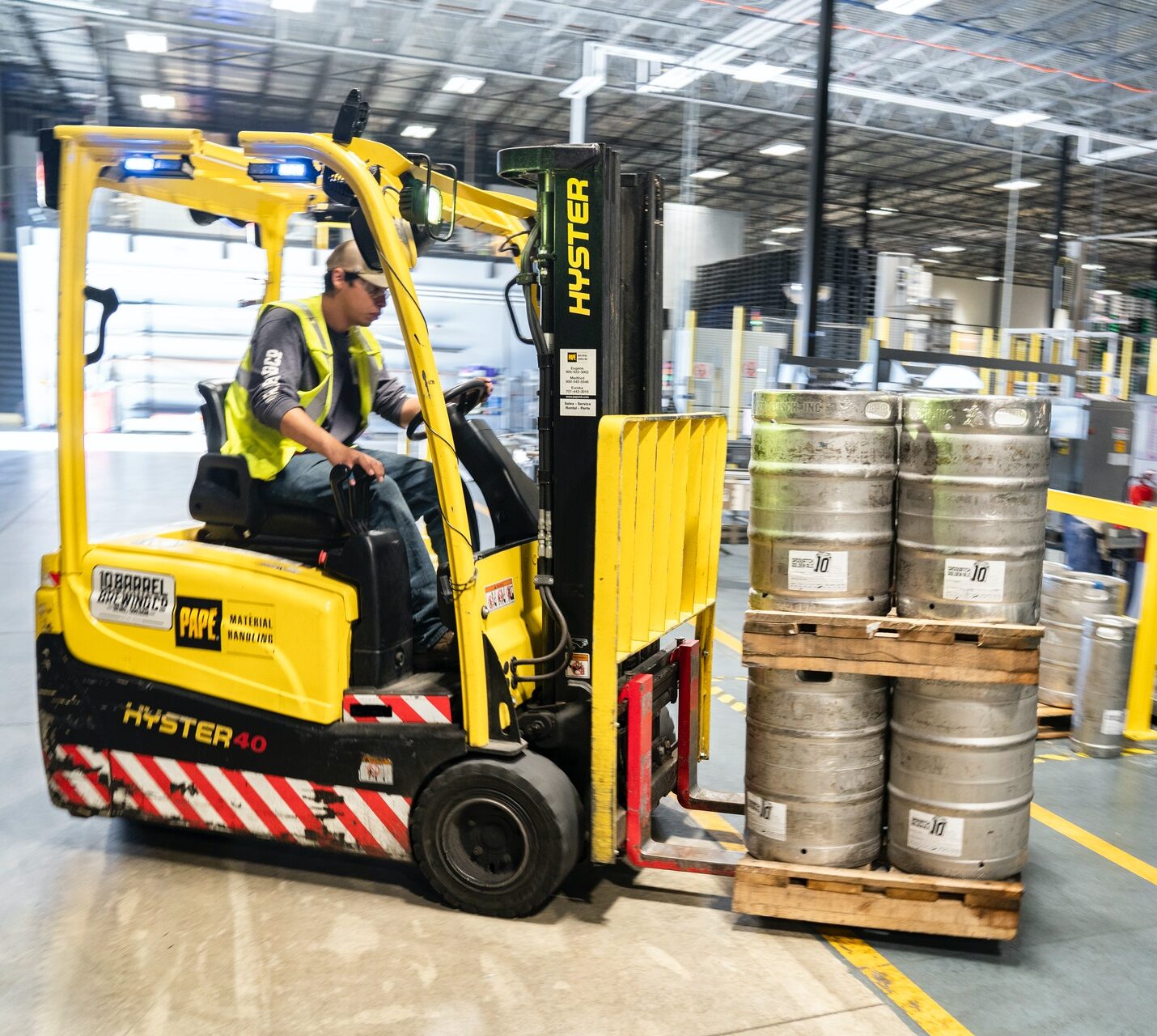




Many businesses experience a significant increase in demand during specific times of the year, often referred to as their peak season. This surge requires a temporary expansion of the workforce to manage the increased demand and workload effectively. For many retail and e-commerce companies, this ramp-up aligns with the traditional end of year holiday season, but for industries like hospitality or agriculture, the peak season can vary based on the product or service offered.
Navigating the challenges of holiday hiring and securing the right talent is crucial for maintaining customer satisfaction and operational efficiency through this hectic time. This guide offers practical tips to help you attract and retain top seasonal employees, ensuring your business is well-prepared for its busiest periods.
Plan Your Seasonal Staffing Early
Successful seasonal hiring begins with planning early. Waiting until the last minute to recruit for seasonal jobs puts you in direct competition with many other businesses, making it harder to attract qualified candidates. Although, candidates in today's job market know that hiring ramps up during peak seasons as well, and will be on the job hunt, so there will almost certainly be a pool of talent to pull from. The trick is being able to weed through that talent pool to find the best candidates.
However, starting your your recruitment process at least two to three months before your peak season begins is recommended. This gives you ample time to:
- Define Your Needs: Determine the exact number of staff you need and the specific roles they will fill. Create clear job descriptions that outline responsibilities, required skills, and the duration of the employment. Candidates want to know what they are getting into with a new role, particularly for short term or contract positions.
- Source Candidates: Post your job openings on various platforms,
including your company website, job boards, and social media. Consider reaching out to past seasonal employees who performed well to see if they are currently in search of employment and open to returning (offering good benefits or incentives to employees helps greatly if you are interested in having returning seasonal talent).
- Screen and Interview: A longer lead time allows for a more thorough screening process. You can conduct multiple rounds of interviews to ensure you select candidates who are not only skilled but also a good fit for your company culture and will be reliable for the course of work required.
Early planning reduces the stress of last-minute hiring and improves the overall quality of your seasonal workforce.
Refine Your Screening Process
When hiring a large volume of employees for seasonal work, it's easy for unqualified candidates to slip through the cracks. A refined screening process is essential to weed out individuals who may not be a good fit.
Here are some strategies to improve your screening:
- Use Applicant Tracking Systems (ATS): An ATS can help you manage a high volume of applications by automatically filtering candidates based on predefined criteria, such as relevant experience or specific skills.
- Conduct Behavioral Interviews: Ask candidates questions about how they have handled specific situations in the past. This provides insight into their problem-solving abilities and work ethic. For example, you could ask, "Tell me about a time you had to deal with a difficult customer during a busy period."
- Perform Reference Checks: Contacting references can confirm a candidate's work history and provide additional information about their reliability and performance.
A structured screening process helps ensure that you hire dependable and competent individuals who can contribute positively during your busiest times.
Offer Competitive Incentives
The market for seasonal talent is highly competitive. To attract the best candidates, you need to offer more than just a standard hourly wage.
Consider implementing these incentives:
- Competitive Pay: Research the average pay for similar seasonal jobs in your area and aim to offer a rate that is at or above the market average.
- Performance Bonuses: Offer bonuses for achieving specific performance targets. This motivates employees to work efficiently and helps your business meet its peak season goals.
- Employee Discounts: Providing discounts on your products or services can be a highly attractive perk for seasonal staff.
- Flexible Scheduling: Offering some flexibility in scheduling can appeal to candidates who are balancing other commitments, such as school or another job.
By offering compelling incentives, you can make your seasonal positions more attractive and stand out from other employers.
Create a Path for Long-Term Employment
One of the most effective ways to attract high-quality seasonal talent is to offer the possibility of long-term employment. Many skilled workers look for seasonal work as a stepping stone to a permanent position.
Clearly communicate that top-performing seasonal employees will be considered for permanent roles once the peak season is over. This strategy benefits your business by:
- Attracting Ambitious Candidates: Individuals seeking long-term career opportunities are often more motivated and committed than those just looking for a temporary job.
- Reducing Future Hiring Costs: Retaining proven talent from your seasonal pool saves you the time and expense of recruiting and training new employees for permanent positions later on.
- Building a Stronger Team: You get an extended period to evaluate an employee's performance, work ethic, and cultural fit before making a long-term commitment.
Highlighting the potential for retention can transform a temporary position into a valuable career opportunity, attracting a higher caliber of applicants.
Stay Ahead of the Curve
Effectively managing your seasonal staffing solutions is key to navigating your busiest periods successfully. By planning ahead, refining your hiring process, and offering attractive incentives, you can build a reliable and effective seasonal team.
Adopting these strategies will not only help you meet the demands of your peak season but also position your business for sustained growth. By investing in your seasonal workforce, you are investing in the success of your company.

How to Find a Job (and Actually Get Hired) For Beginners
Finding a new job can feel like a full-time job by itself. The current market is competitive, and if you’re just starting out on your career path, the entire process can easily seem overwhelming. From…
Read More

Your Guide to Warehouse and Logistics Jobs
The global supply chain depends on millions of workers who ensure products move efficiently from manufacturers to consumers. Whether you’re considering a career change or entering the job market for the first time, warehouse and…
Read More

Remote Work in 2025: What’s Changed Since the Pandemic Era
The pandemic forced millions of workers home almost overnight, transforming kitchen tables into office desks and Zoom calls into the new meeting room. Now, five years later, the dust has settled. What does remote work…
Read More

The AI Revolution: How Artificial Intelligence Is Reshaping Work
The workplace transformation brought on by the advent of modern AI has been swift and undeniable. Since ChatGPT launched in November 2022, artificial intelligence has moved from science fiction to everyday reality for millions of…
Read More