
The global supply chain depends on millions of workers who ensure products move efficiently from manufacturers to consumers. Whether you're considering a career change or entering the job market for the first time, warehouse and logistics jobs offer stable employment opportunities with room for growth and advancement.
The logistics industry encompasses everything from Amazon warehouse jobs to specialized inventory management roles. Understanding what these positions entail and how to prepare for them can help you make an informed decision about your career path. This guide explores the various opportunities available, the skills you'll need, and how to position yourself for success in this essential industry.
What Does Logistics Mean for Your Career?
The logistics definition extends far beyond simply moving boxes from one place to another. Logistics involves the coordination of complex operations that include transportation, warehousing, inventory control, order fulfillment, and distribution management. This broad scope creates diverse career opportunities for people with different skill sets and interests.
Modern logistics operations rely on technology, data analysis, and strategic planning. Workers in this field might find themselves operating sophisticated warehouse management systems, coordinating with suppliers across multiple time zones, or analyzing shipping routes to optimize delivery times. The industry offers both entry-level positions and advanced roles requiring specialized knowledge.
Types of Warehouse Jobs Available
Warehouse Associate Positions
Entry-level warehouse jobs typically involve picking, packing, loading, and unloading merchandise. These roles provide excellent starting points for people new to the industry. Warehouse associates learn fundamental operations while developing skills that can lead to supervisory positions.
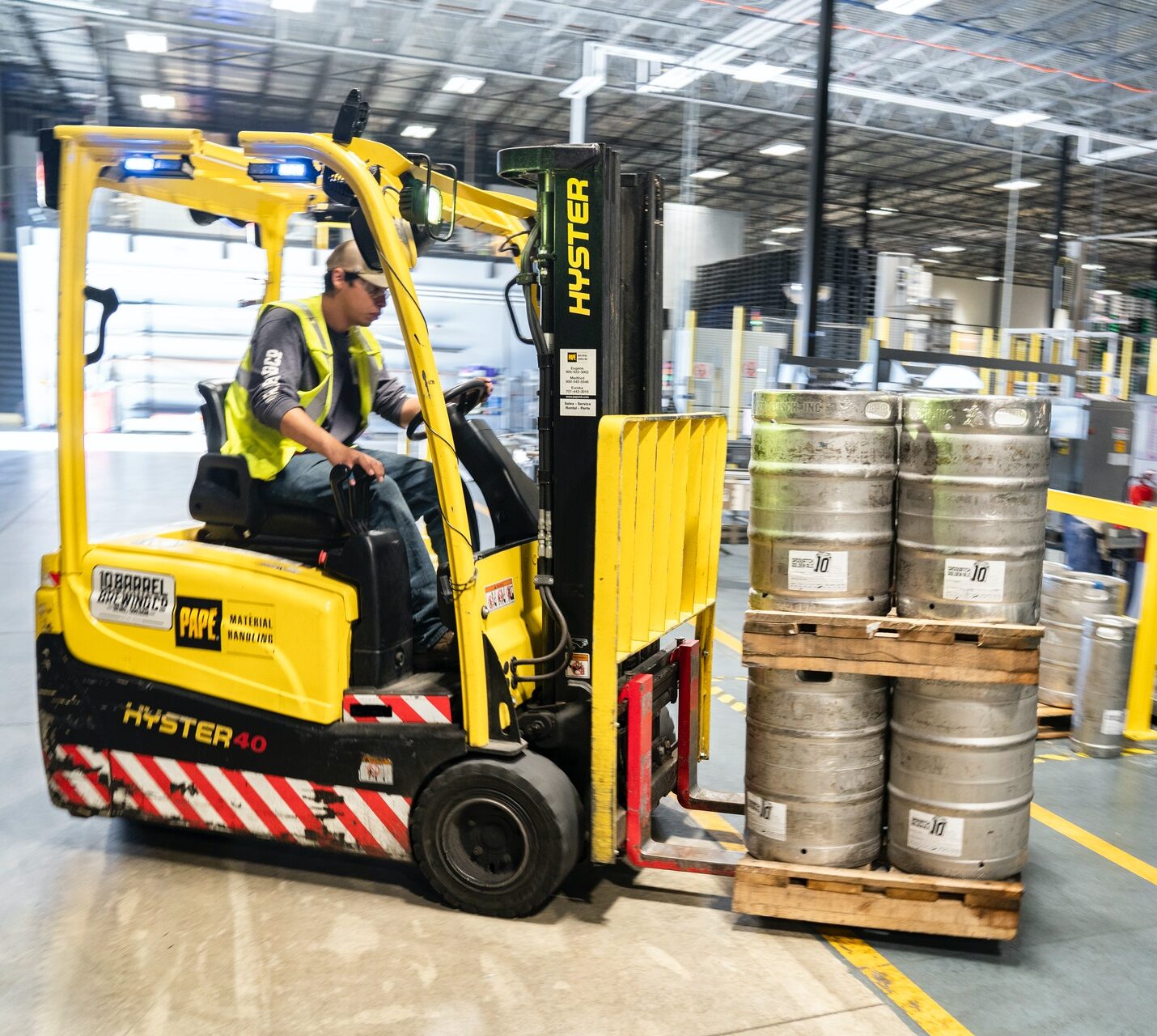
Forklift and Equipment Operators
Operating warehouse equipment requires certification and training, but these positions often come with higher pay rates. Equipment operators move inventory throughout facilities and load trucks for shipping. Many employers provide on-the-job training for these specialized roles.
Quality Control Specialists
Quality control workers inspect products to ensure they meet company standards before shipping. These positions require attention to detail and may involve documenting defects or coordinating with suppliers to address quality issues.
Inventory Management Roles
Warehouse inventory management positions involve tracking stock levels, coordinating reorders, and maintaining accurate records. These roles often require computer skills and may serve as stepping stones to management positions.
Logistics Jobs Beyond the Warehouse
Transportation Coordinators
Transportation coordinators schedule deliveries, track shipments, and communicate with drivers and customers. These positions require strong organizational skills and often involve working with transportation management software.
Supply Chain Analysts
Analysts review data to identify inefficiencies and recommend improvements to logistics operations. These roles typically require analytical skills and may require additional education or certification.
Logistics Managers
Management positions oversee entire operations, including staff supervision, budget management, and strategic planning. These roles often require several years of experience and demonstrated leadership abilities.

Skills and Training Requirements
Essential Skills for Success
Strong communication abilities help workers coordinate with team members and resolve issues quickly. Physical stamina is important for many warehouse positions, though automation is reducing some physical demands. Basic math skills are necessary for inventory counting and order verification.
Computer literacy has become increasingly important as warehouses adopt digital systems. Workers should be comfortable learning new software and following electronic procedures. Problem-solving skills help employees adapt when unexpected issues arise during daily operations.
Certification and Training Programs
Many community colleges offer logistics and supply chain management programs. These courses cover inventory control, transportation management, and warehouse operations. Completing such programs can improve job prospects and advancement opportunities.
Forklift certification is available through many employers or training centers. This certification can immediately increase earning potential and job opportunities. Safety training programs, including OSHA certification, are valuable for all warehouse workers.
Some workers pursue professional certifications such as Certified Supply Chain Professional (CSCP) or Certified in Logistics, Transportation and Distribution (CLTD). These credentials are particularly valuable for advancement to management roles.
Major Employers and Job Markets
Amazon and Large Retailers
Amazon warehouse jobs are widely available across the country, offering competitive wages and benefits packages. The company frequently hires for seasonal positions that can lead to permanent employment. Other major retailers like Walmart, Target, and Costco also maintain large distribution networks requiring substantial workforces.

Third-Party Logistics Providers
Companies like UPS, FedEx, and DHL offer diverse logistics jobs ranging from package handling to route optimization. These employers often provide extensive training programs and clear advancement paths.
Manufacturing Companies
Many manufacturers operate their own distribution centers and seek logistics professionals to manage their supply chains. These positions may offer more specialized experience and direct exposure to manufacturing processes.
Advancement Opportunities and Career Growth
The logistics industry rewards experience and demonstrated competence with advancement opportunities. Entry-level workers can progress to team leader positions within months or years, depending on performance and available openings.
Supervisory roles typically involve managing staff schedules, ensuring productivity targets are met, and maintaining safety standards. These positions provide valuable leadership experience and often come with salary increases.
Management positions require broader skills including budget oversight, strategic planning, and vendor relationships. Workers who pursue additional education while gaining experience position themselves well for these opportunities.
Some logistics professionals eventually start their own businesses, such as trucking companies or logistics consulting services. The industry knowledge gained through employment provides valuable foundation for entrepreneurship.
Preparing Your Job Application
Emphasize any relevant experience, including retail work, customer service, or previous warehouse employment. Highlight physical capabilities and willingness to work in various conditions. Mention any certifications or training you've completed.
Many employers value reliability and punctuality highly, so emphasize your track record in these areas. Express willingness to work different shifts, as logistics operations often run around the clock.
Research potential employers before applying. Understanding their operations and values helps you tailor your application and perform better in interviews.
Building Your Logistics Career
Success in warehouse and logistics jobs requires dedication, continuous learning, and attention to safety. The industry offers stable employment with opportunities for advancement for workers who demonstrate reliability and competence.
Start by identifying entry-level positions that match your current skills and interests. Consider pursuing relevant training or certification to improve your qualifications. Network with current industry workers to learn about opportunities and gain insights into different career paths.
The logistics industry continues evolving with new technology and changing consumer demands. Workers who stay adaptable and continue developing their skills will find the best opportunities for long-term career success. Whether you're seeking immediate employment or planning a career change, warehouse and logistics jobs provide pathways to stable, rewarding careers.
Frequently Asked Questions
Entry-level warehouse associates manage fundamental day-to-day operations, including picking, packing, loading, and unloading merchandise, providing a strong baseline for future supervisory roles and often working with staff that operate heavy machinery.
As warehouses adopt digital systems, warehouse management software, and electronic procedures, workers must be comfortable learning new software and navigating digital tracking tools to keep up with advancements in this industry.
Forklift and equipment operators move inventory throughout facilities and load trucks for shipping. Because operating this machinery requires specific training and OSHA safety certification, these positions often command slightly higher pay rates.
Supply chain analysts review operational data to identify inefficiencies and recommend improvements, making this a pivotal role for your warehouse. Employers typically look for strong analytical skills, problem-solving capabilities, and sometimes additional education or certifications.
Partnerships with 3PL providers—such as UPS, FedEx, DHL, and others—bring in extra specialized resources, extensive training frameworks, and expert route optimization to significantly boost a company's order fulfillment and delivery capabilities without having to build out that pipeline in-house.
Employers should heavily value reliability, punctuality, physical stamina, and a willingness to work flexible or around-the-clock shifts, as logistics operations run continuously and can be physically demanding.
Employees looking to advance into management can pursue advanced credentials such as the Certified Supply Chain Professional (CSCP) or Certified in Logistics, Transportation and Distribution (CLTD).
Implemented correctly, ERP systems act as digital solutions that centralize disparate business functions and data, reducing inefficiencies and improving communication across all departments.

How to Protect Data Privacy and Build a Career in Cybersecurity
In the digital age, data privacy has become the principal concern for individuals, businesses, and governments alike. The complete adoption of internet usage, coupled with the present rapid advancement of technology, has led to an…
Read More

Discover What It Takes to Become a CNC Machinist
In a world where precision and efficiency reign supreme, the role of the CNC machinist stands out as both vital and promising. For job seekers and career movers eager to enter the realm of skilled…
Read More

How Do You Get a Welding Certification in Colorado?
Colorado can be a tempting destination for any up and coming professionals for a number of reasons. Communities are booming, and the growing economy is demanding skilled labor for both construction and industrial activities. It…
Read More

How Do You Get a Welding Certification in Texas?
SkillsetGroup's manufacturing staffing professionals have put together a primer on what kind of certifications you may need for a variety of different…...